

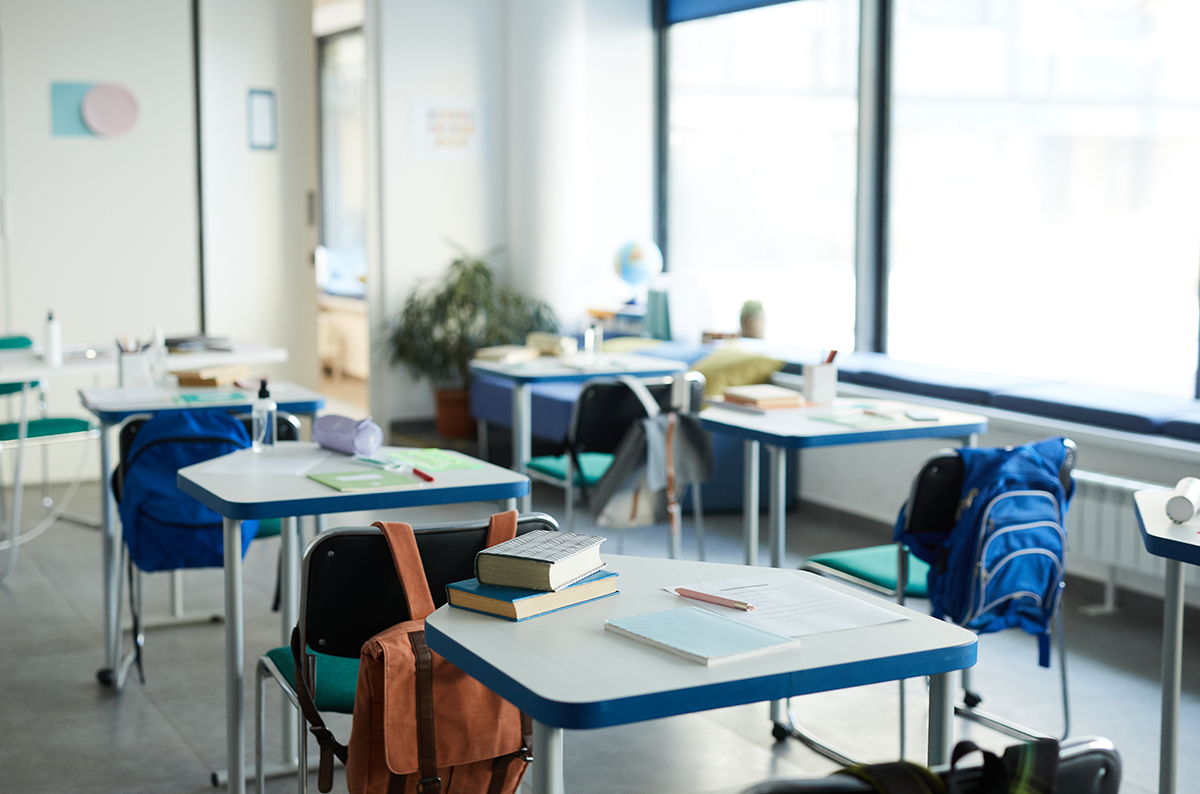
How Privacy Glazing Is Answering the Call for Daylight and Control in Education
How Privacy Glazing Is Answering the Call for Daylight and Control in Education
The glass industry is pushing to make natural light a more fundamental part of educational design. That effort brings a practical question into focus: how can schools preserve daylight while giving educators control over glare, visibility, and privacy?
For students, lighting conditions affect how comfortably they can read, follow a presentation, and shift between screens and printed work. For the building, daylight control helps balance natural illumination with solar heat gain and electric-lighting needs. Glazing contributes to both by allowing an opening to respond as sunlight and activities change.
Privacy glazing includes systems that manage visibility through integrated blinds or switchable technologies. Some also provide solar shading and daylight control. These capabilities give architects ways to retain the openness of glass while accommodating the changing needs of educational spaces.
Why the industry is calling for daylight
Daylight in schools is moving beyond a design preference into the code-development conversation. The National Glass Association, Glazing Industry Code Committee, and other partners have supported natural-light proposals through the 2027 International Building Code development process.
In April 2026, NGA reported that proposals addressing daylight in classrooms and residential buildings had advanced through public comment hearings. The classroom proposal, G144-25, specifically addresses natural lighting in educational occupancies. This effort places daylight access within a broader discussion about occupant well-being and building performance. Requirements for an individual project depend on the applicable adopted code.
Providing daylight and making it useful are connected design tasks. Window orientation, room layout, and surface finishes influence where light falls and how it interacts with teaching materials. Controls add the ability to respond when those conditions change, helping preserve the value of the glazing throughout the day.
What changing classroom activities require
A classroom may support reading, group work, board instruction, and a projected presentation within a single morning. Each activity places different demands on the visual environment.
A 2025 study in Building and Environment tested whiteboards, glassboards, projectors, and smart televisions under different window positions and exposed glazing areas. Larger daylight openings improved visual clarity for non-illuminated boards under the tested conditions, while illuminated displays responded differently. The findings show why daylight needs to be considered alongside teaching media rather than judged by brightness alone.
Darkening a room also involves tradeoffs. Related research involving 50 university students found that low ambient illumination and strong brightness differences between teaching media and surrounding surfaces increased reported visual fatigue. Students still need comfortable conditions for looking between a display, their notes, and other parts of the room.
A 2025 Korean university study examined measured light levels, blind operation, electric-lighting use, and student perceptions. Its findings highlighted the importance of considering light source placement, blind operation, and screen reflectance alongside desktop illumination. The practical takeaway is coordination: shading and lighting need to work together to support the activity.
These studies examine specific classroom conditions rather than establishing benefits for particular glazing products. They help explain why educational spaces need more than one fixed lighting condition.
Privacy glazing options for daylight control in schools
Glazing technologies provide different forms of control. Selecting them by function connects the solution to the needs of the space.
Integrated blinds adjust incoming light and sightlines. With BetweenGlassBlinds™, slats are sealed inside the glass unit. Adjusting their angle manages light and visibility, while tilt-and-lift configurations also uncover more of the opening. This provides a range of settings as sunlight and activities change. The enclosed design protects the slats from handling and removes exposed blind surfaces from routine cleaning.
Dynamic glazing combines solar control with selectable privacy and shading. At exterior windows, HUEE Dynamic Glazing offers Clear, SunControl, Privacy, and Shade modes. SunControl reduces glare and solar heat gain while maintaining views. Privacy screens visibility while admitting diffused light, and Shade provides blackout through the glass. A multipurpose space can therefore accommodate several needs within one glazing system, although overall room darkness also depends on framing and other light sources.
Switchable privacy glass preserves shared light between interior spaces. Tutoring rooms, administrative offices, and meeting spaces often need visual separation only at certain times. Clarity™ switchable privacy glass changes from clear to translucent, screening direct views while continuing to transmit diffused light. It allows a glazed partition to provide privacy without permanently interrupting the passage of light between spaces.
Building performance depends on coordinating these functions with the rest of the design. Solar control can help manage heat entering through exterior glazing, while daylight-responsive electric lighting can reduce artificial illumination when sufficient natural light is available. Energy outcomes depend on the glazing, controls, lighting, and HVAC working together.
Making daylight useful throughout the day
The industry’s call for daylight gives educational design a clear priority. Privacy glazing helps translate that priority into spaces that can respond to their occupants.
The right combination depends on whether an opening needs to control sunlight, provide visual privacy, or perform both functions. Addressing those needs within the glazing gives schools practical ways to preserve daylight and openness while adjusting the environment for the activity at hand.